Sturla Lægreid's Public Cheating Apology: A Desperate Plea for Love
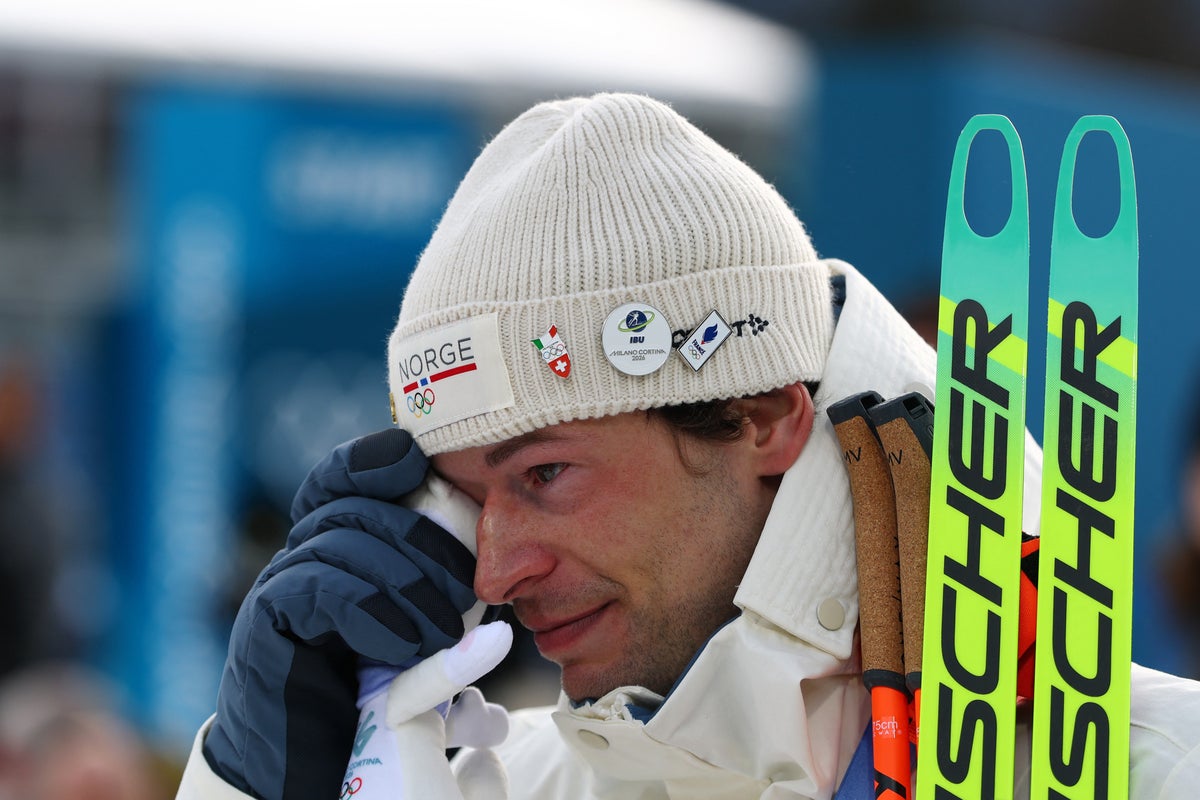
In an era where celebrity lives often unfold under intense scrutiny, few moments capture public attention quite like a raw, unscripted confession. Norwegian biathlete Sturla Holm Lægreid delivered just such a moment, transforming what should have been a triumphant post-medal interview into a deeply personal, tearful plea for forgiveness. After securing a bronze medal at the 2026 Milan Cortina Games, the 28-year-old sports star stunned audiences and journalists alike with an unprompted admission: he had cheated on his girlfriend, the woman he described as "the love of [his] life." His public apology, a desperate gamble for redemption, quickly became one of the most talked-about stories of the Games, raising questions about love, regret, and the intense pressure on public figures.
The Unforeseen Confession: A Medal Ceremony Turned Public Apology
The scene was set for celebration. Sturla Holm Lægreid, a decorated biathlete with multiple World Championship titles and an Olympic relay gold to his name, had just added an individual Olympic bronze to his collection at the 2026 Milan Cortina Games. Yet, as he faced the cameras of Norwegian Broadcasting Corp. (NRK) post-race, his focus wasn't on the glint of his new medal, but on a much heavier burden.
Without prompting, Lægreid launched into a heartfelt admission, opening his confession by stating he wanted to share his win with someone "who might not be watching today." He revealed that three months prior, he had cheated on "the love of [his] life, the most beautiful and kindest person." This confession, delivered just days after he had informed her of his infidelity, cast a pall over his achievement, turning a moment of sporting glory into a public reckoning. He explained that he had met her only six months prior to the incident and that this past week, since telling her, had been "the worst week of my life," highlighting the profound personal turmoil he was experiencing. The athlete's raw honesty about his betrayal, making it clear that a
skier cheated on girlfriend, sent shockwaves through the sporting world and beyond.
A Desperate Plea: Love, Regret, and "Social Suicide"
Lægreid's raw vulnerability was startling. He spoke of having a "gold medal in life" that he now feared losing. His public confession was, by his own admission, an act of desperation – a high-stakes gamble he hoped would demonstrate the depth of his remorse and love. He articulated his hope that by "committing social suicide," he could somehow convey to his ex-girlfriend the sincerity of his feelings and his fervent desire for reconciliation. "I'm not ready to give up," he declared, echoing a profound sense of despair and unwavering commitment.
He confessed that despite his intellect – proudly stating, "I’m a member of Mensa, but I still do stupid stuff" – he had made a profoundly regrettable error. This candid self-criticism underscored the immense personal shame and regret he felt. The decision to publicly disclose such a private and painful event speaks volumes about the crisis he faced, believing he had "nothing to lose" and that this was his "only path to the finish line" in winning back the woman he now identified as "the woman of my life." He stated, "I can’t live my whole life keeping that from her. My only path to the finish line is to tell her everything and put it all on the table, and hope that she’ll still love me." This poignant revelation, coming from a celebrated athlete, resonated with many who have struggled with the consequences of their actions. For more insight into his motivations, read
Why Biathlete Sturla Lægreid Confessed Infidelity Live on TV.
The Impact on an Elite Athlete: Nerves, Role Models, and Teammate Reactions
The psychological toll of such a personal crisis on an elite athlete is immense. Lægreid admitted that the week leading up to his bronze win had been exceptionally difficult, acknowledging that "sports has taken a bit of a back seat these past couple of days." Yet, he still managed to perform under pressure, crediting a motivational video from his home club for helping him push through. This glimpse into the athlete's mental fortitude during a period of profound personal distress offered a unique perspective on the demands of competitive sport.
His confession also touched upon his desire to be a role model. He stated, "I want to be a good role model, but I have to own up to my mistakes," underscoring a belief in accountability, even when it comes at a significant personal cost. This transparency, while shocking, resonates with a growing societal expectation for public figures to acknowledge their humanity and fallibility. He emphasized the importance of recognizing when "you’ve done something you can’t defend and hurt someone you love so deeply."
The reactions from his teammates were mixed, reflecting the surprise and sensitivity of the situation. Johannes Dale-Skjevdal confirmed that some athletes were aware of the incident, offering a brief, "Yeah, we knew. I don’t have much to say about it. It’s good that he’s open about it." Martin Uldal, however, was clearly taken aback, noting Lægreid's changed demeanor but attributing it to nerves, expressing sadness and a desire to comfort him. Gold medalist Johan-Olav Botn, perhaps uncomfortable with the public nature of the revelation, maintained that the affair was "none of [his] business," before Lægreid interjected with an apology, sensing he might have overshadowed Botn's own victory. The varied responses highlight the complexity of personal dilemmas unfolding in a highly public and competitive environment.
Navigating the Aftermath: Public Perception and Personal Redemption
Sturla Lægreid's public confession ignited a complex discussion far beyond the biathlon tracks. His admission that a skier cheated on girlfriend was not merely a personal anecdote; it became a public spectacle, raising questions about privacy, accountability, and the intense scrutiny faced by sports figures. While Lægreid's candor was widely noted, the ramifications of such a public act are multifaceted.
For the person he hurt, the confession, while perhaps intended as a grand gesture of love and remorse, also thrust their private pain into the global spotlight without their explicit consent. This raises ethical considerations about the balance between an individual's desire for redemption and the potential for further emotional exposure for others involved. While the act of publicly owning one's mistakes can be seen as a brave step towards self-improvement, it also places immense pressure on the injured party to respond, or indeed, to forgive, under public observation.
Lægreid's statement, "You have to recognize when you’ve done something you can’t defend and hurt someone you love so deeply," serves as a powerful, albeit painful, lesson in accountability. It underscores that even elite success does not exempt individuals from the consequences of their personal choices. His willingness to face global judgment in the hope of winning back his ex-girlfriend showcases a desperate human struggle, perhaps relatable to many who have faced profound regret in their relationships. This scenario offers a practical insight into how personal failings, when made public, compel individuals to confront not just their loved ones but also the wider community with their imperfections.
For aspiring athletes and public figures, this incident provides a stark reminder of the blurring lines between personal and professional lives. Every action, even those deeply personal, can become fodder for public consumption, shaping public perception and potentially influencing careers. Lægreid's story demonstrates that while sporting triumphs are celebrated, personal failures, especially those publicly acknowledged, can redefine an individual's narrative. It prompts contemplation on the true cost of fame and the challenging path toward regaining trust and respect after a significant misstep.
Conclusion
Sturla Holm Lægreid's unexpected confession after winning an Olympic bronze medal was a moment of raw, unvarnished humanity amidst the polished world of elite sports. His public plea, born of deep regret and a desperate hope for reconciliation with the woman he identified as the love of his life, transcended the typical post-race interview. It highlighted the immense pressure on athletes, the blurred boundaries between private struggles and public personas, and the profound emotional weight of personal transgressions. While the outcome of his "social suicide" remains intensely personal, Lægreid's courage in facing his mistakes, however controversially, provides a powerful and poignant example of an individual grappling with the consequences of his actions in the unforgiving glare of the public eye. His story serves as a vivid reminder that even those at the pinnacle of their professional lives are not immune to profound personal challenges and the universal human quest for forgiveness and connection.