The Shocking Live Confession: When an Olympic Bronze Revealed a Broken Heart
The world of sports often delivers tales of triumph, resilience, and unwavering dedication. Yet, every so often, an athlete steps into the spotlight and shares a profoundly personal struggle, shifting the narrative from athletic prowess to raw human vulnerability. Such was the case with Norwegian biathlete Sturla Holm Lægreid, a decorated competitor who, in a moment of stunning candor, confessed to infidelity live on television after securing an Olympic bronze medal. This unexpected revelation, a desperate plea for forgiveness and reconciliation, left viewers and fellow athletes equally stunned, igniting a global conversation about love, regret, and the very public nature of an athlete's life.
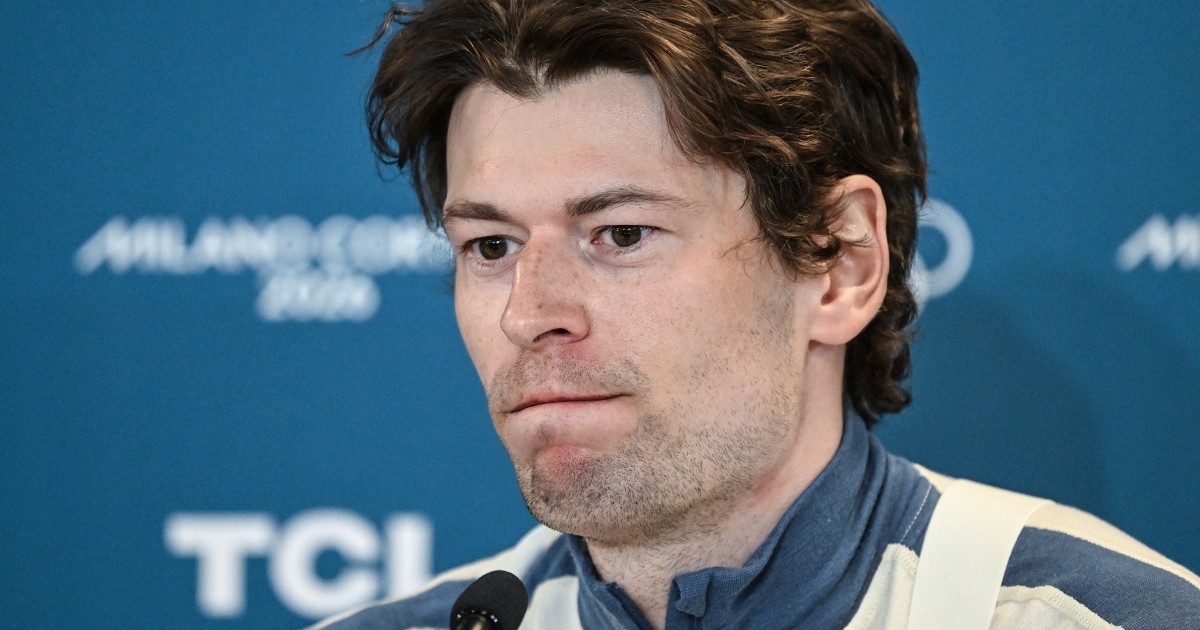
On Tuesday, during the 2026 Milan Cortina Games, Lægreid, already a six-time Biathlon World Champion and a 2022 Winter Olympics relay gold medalist, added another bronze to his impressive collection in the men's 20 km biathlon. What followed, however, overshadowed his athletic achievement. In an emotional post-race interview with Norwegian Broadcasting Corp. (NRK), the 28-year-old launched into an unprompted confession, revealing that he had cheated on "the love of [his] life" three months prior. This startling admission instantly transformed a moment of professional triumph into a deeply personal drama, leaving many wondering: *Why did this skier confess cheating on his girlfriend live on TV?*
Unpacking the Motives: Why Go Public with Such a Personal Struggle?
Sturla Holm Lægreid's decision to confess infidelity on live national television wasn't a casual slip of the tongue; it was a deliberate, albeit emotionally charged, act. His words painted a vivid picture of a man wrestling with profound guilt and a desperate yearning for redemption. "I told her a week ago. And it’s been the worst week of my life," he revealed, explaining that his girlfriend had ended their relationship upon hearing of his betrayal. This "worst week" clearly overshadowed even the high-stakes pressure of Olympic competition.
Lægreid articulated his complex motivations with startling honesty. He admitted to hoping that such a public display of remorse – a self-described "social suicide" – might somehow convince her of his unwavering love and commitment. "I’m not ready to give up. I hope that committing social suicide [like this] might show her how much I love her," he stated, laying bare the depth of his regret and his desperate strategy. He emphasized that he saw no other path forward than complete transparency, stating, "My only path to the finish line is to tell her everything and put it all on the table, and hope that she’ll still love me. I’ve done that for her, and now for the entire world. I’ve nothing to lose."
This confession wasn't just about public shaming; it was an extreme form of accountability. Lægreid wanted to own his mistake, recognizing that he had "done something you can’t defend and hurt someone you love so deeply." For him, a public apology was a last-ditch effort to bridge the chasm his actions had created, believing that the sheer scale of the confession might underscore the sincerity of his regret and the strength of his feelings. It speaks to the immense burden of guilt he carried, and perhaps, the unique pressures faced by public figures where personal transgressions can become fodder for global discussion. For a deeper dive into the immediate aftermath, read about
Sturla Lægreid's Shocking Cheating Confession After Olympic Bronze.
Balancing the Podium and Personal Pain: An Athlete's Dilemma
The contrast between Lægreid's athletic achievement and his personal turmoil was stark. How does one focus on hitting targets and pushing limits on the ski course when grappling with what he described as the "worst week of my life"? His ability to secure a bronze medal amidst such emotional chaos is a testament to the immense mental fortitude required of elite athletes, even as it highlights the human cost of their dedication.
When asked how he managed to perform, Lægreid credited a motivational video sent by his home club. This insight offers a glimpse into how athletes compartmentalize and draw strength from their support systems, even when their personal lives are in disarray. Yet, his confession underscored that sports had "taken a bit of a back seat these past couple of days," emphasizing the overwhelming nature of his personal crisis.
The reactions from his teammates were varied, reflecting the shock and complexity of the situation. Johannes Dale-Skjevdal, a fellow biathlete, confirmed that some teammates were aware of the incident, expressing support for Lægreid's openness. "It’s good that he’s open about it," Dale-Skjevdal stated, acknowledging the difficulty of commenting further. Conversely, Martin Uldal was caught entirely off guard. "I’ve noticed that he’s been acting differently, but I didn’t really know why," Uldal admitted, attributing Lægreid's unusual behavior to nerves. The revelation immediately shifted the team dynamic, with Uldal offering comfort and support despite the shock. This dichotomy reveals the hidden burdens athletes often carry, often masked by their public personas of strength and focus.
The Ripple Effect: Public Perception, Forgiveness, and the Road Ahead
Sturla Holm Lægreid's public confession opened up a Pandora's Box of consequences, both for his personal life and his public image. His bold move, intended to prove his love and commitment, now places his relationship squarely in the public domain. While some might admire his raw honesty and courage, others may view it as an overshare or a manipulative tactic. The effectiveness of a public apology in winning back trust in a private relationship is highly debatable; forgiveness is a deeply personal journey, often requiring quiet, sustained effort rather than grand gestures. For more on this aspect, consider
Sturla Lægreid's Public Cheating Apology: A Desperate Plea for Love.
From a broader perspective, Lægreid's confession serves as a powerful reminder of the intense scrutiny faced by public figures. Athletes are often held to high moral standards, expected to be role models both on and off the field. His own words, "I want to be a good role model, but I have to own up to my mistakes," encapsulate this internal conflict. By openly admitting his wrongdoing, he stepped into a complex role – one of a flawed hero who, despite his achievements, is grappling with very human imperfections.
The long-term impact on his career remains to be seen. While his athletic talent is undeniable (he secured a second bronze medal in the men's sprint biathlon race days later), the public's perception of him may be irrevocably altered. The journey to rebuild trust, both with his former partner and with the public, will be arduous. It requires not just words, but consistent actions demonstrating genuine change and respect. Ultimately, Lægreid's story is a poignant example of how personal choices, even made in private, can reverberate through an athlete's public life, challenging conventional notions of fame, forgiveness, and the enduring quest for redemption.
Key Takeaways for Navigating Personal Scandals in the Public Eye:
- Honesty, However Painful: Lægreid's confession, while extreme, highlights the eventual necessity of owning one's mistakes. Keeping secrets, especially deeply impactful ones, often prolongs suffering for all parties involved.
- The Double-Edged Sword of Public Confession: While intended to show sincerity, public apologies can complicate deeply personal matters. They introduce external opinions and pressures, which may not always aid in private reconciliation.
- The Athlete as a Role Model: Public figures, particularly athletes, are often inadvertently placed on a pedestal. Their actions, both good and bad, are magnified, leading to greater scrutiny and calls for accountability.
- Forgiveness is a Process: Whether from a partner or the public, forgiveness is rarely immediate. It requires time, demonstrated commitment to change, and often, private conversations and actions that extend far beyond a single public statement.
Conclusion
Sturla Holm Lægreid's live television confession stands as one of the most remarkable and raw moments in recent sports history. It was a heart-wrenching plea from a successful
skier who cheated on his girlfriend, a man who found himself at the zenith of his professional career yet in the depths of personal despair. His story serves as a powerful reminder that even the most accomplished individuals are susceptible to human frailties, and that the pursuit of glory on the field often intertwines with profound struggles off it. While the outcome of his desperate plea remains uncertain, Lægreid's willingness to lay bare his soul underscores the immense burden of guilt and the profound, often messy, path to seeking forgiveness and redemption.