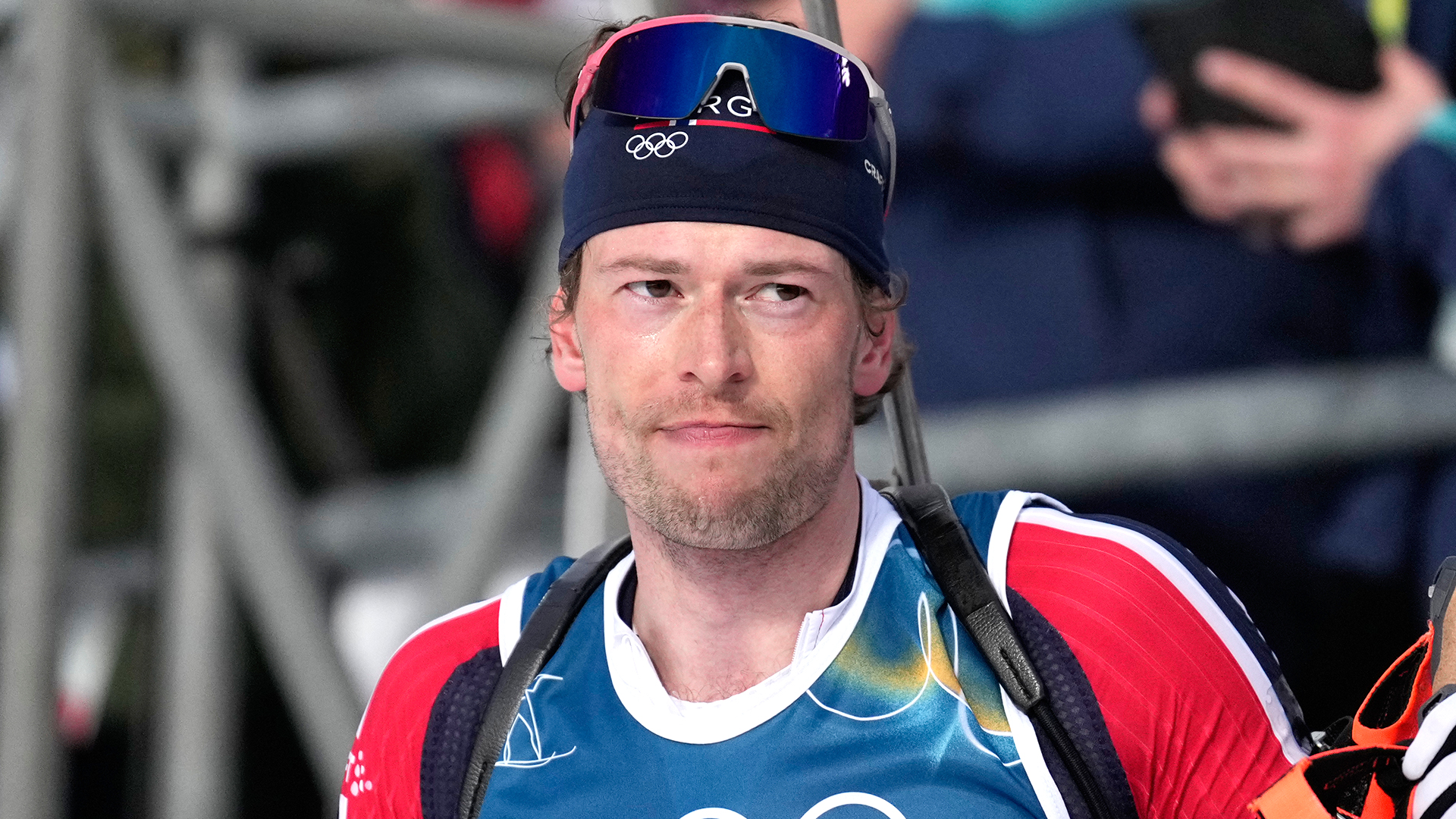
Sturla Lægreid's Shocking Cheating Confession After Olympic Bronze: The Emotional Aftermath of a Biathlon Star's Betrayal
The world of elite sports, often a stage for incredible athletic prowess and quiet determination, was recently rocked by a deeply personal drama of epic proportions. Norwegian biathlete Sturla Holm Lægreid, fresh off winning an Olympic bronze medal at the 2026 Milan Cortina Games, delivered a confession that stunned viewers globally: he had cheated on his girlfriend. This raw, emotional admission, coming at the very peak of his sporting achievement, sparked conversations far beyond the slopes about integrity, regret, and the desperate yearning for forgiveness when a skier cheated on girlfriend in such a public manner.
Lægreid's unscripted revelation transformed what should have been a moment of pure triumph into a heart-wrenching public plea, casting a stark spotlight on the complex intersection of personal life and public persona for athletes. His story quickly became a viral sensation, prompting millions to wonder about the motivations behind such a daring confession and the heavy burden he carried even as he stood on the Olympic podium.
The Unscripted Confession Heard Around the World
The scene was set for celebration. Sturla Holm Lægreid, a 28-year-old biathlon phenom and a six-time Biathlon World Champion, had just secured his first individual Olympic medal – a bronze in the men’s 20 km biathlon event at the Milan Cortina Games. Yet, in his post-race interview with Norwegian Broadcasting Corp. (NRK), the usual euphoria of victory was replaced by an raw, emotional confession that captivated and shocked millions.
Lægreid began by expressing a desire to share his win with someone "who might not be watching today." He then proceeded to reveal a profound personal crisis: three months prior, he had cheated on "the love of [his] life, the most beautiful and kindest person." The weight of his betrayal had clearly become unbearable, culminating in a confession to his then-girlfriend just a week before his Olympic performance. "I told her a week ago. And it’s been the worst week of my life," he admitted, his voice laden with regret. She had, understandably, ended their relationship.
His motivation for this extraordinary public confession was laid bare: a desperate, almost reckless, attempt to win her back. "I’m not ready to give up. I hope that committing social suicide [like this] might show her how much I love her," Lægreid stated, acknowledging the immense risk to his reputation. He painted a picture of deep regret and self-awareness, admitting, "Maybe I’m dumb as a rock. I’m a member of Mensa, but I still do stupid stuff." For Lægreid, the medal felt hollow without the person he cherished. "I had a gold medal in life, and there’s probably a lot of people out there who look at me differently now, but I only have eyes for her. Sports has taken a bit of a back seat these past couple of days. Yeah, I wish I could share this with her."
Beyond the Slopes: Why the Public Confession?
Lægreid's decision to confess his infidelity on live television is an unprecedented act in the highly curated world of professional sports. It begs the question: why would an athlete at the pinnacle of his career choose such a public forum for such a private, damaging admission? His own words offer the clearest insight into this deeply personal choice.
- A Desperate Plea for Reconciliation: Lægreid explicitly stated his hope that this public act would demonstrate the depth of his love and remorse, potentially swaying his ex-girlfriend towards reconciliation. He perceived it as his "only path to the finish line" – a finish line not in biathlon, but in winning back her trust and affection.
- The Unbearable Weight of Guilt: Carrying such a significant secret, especially one that hurts a loved one, can be an immense psychological burden. For Lægreid, achieving Olympic success while his personal life crumbled may have made the secret feel even more hypocritical or unbearable, leading to a need for catharsis.
- Public Accountability and Redemption: While most personal apologies occur in private, Lægreid, as a public figure, might have felt an innate need for public accountability. By owning his mistake so openly, he might have hoped to begin a long process of public and private redemption. He stated, "I want to be a good role model, but I have to own up to my mistakes."
- The Hollowing of Success: For Lægreid, the bronze medal, while a significant athletic achievement, was overshadowed by his personal turmoil. True joy and fulfillment, he implied, could only come with integrity in his personal life. The medal itself might have amplified his need to be honest and "put it all on the table."
This dramatic unfolding highlighted the immense pressure athletes face, not just to perform, but to maintain an image. Lægreid's vulnerability offered a rare glimpse into the human side of an Olympic hero, reminding us that even those who achieve extraordinary feats are susceptible to profound personal struggles. His story resonates deeply, exploring the complex interplay of guilt, love, and the desperate hope for a second chance. For more in-depth analysis on his motivations, you can read Why Biathlete Sturla Lægreid Confessed Infidelity Live on TV.
Navigating Infidelity: Lessons from Sturla Lægreid's Ordeal
Sturla Lægreid's public confession, while extreme in its delivery, offers several powerful, albeit painful, insights into the aftermath of infidelity and the arduous journey towards making amends. His situation, amplified by his status as an Olympic athlete, underscores universal truths about accountability and the pursuit of redemption.
- The Inevitability of Honesty: Lægreid clearly felt the immense burden of his secret. While he held onto it for three months, he recognized that his "only path to the finish line is to tell her everything." This highlights a crucial point: secrets, especially those involving betrayal, rarely remain buried indefinitely and can cause immense psychological distress to the one carrying them.
- Accepting Consequences is Paramount: His ex-girlfriend broke up with him, a direct and understandable consequence of his actions. Lægreid accepted this, stating, "I accept the consequences of what I’ve done." For anyone who has committed infidelity, understanding and accepting the painful repercussions is the first step towards genuine remorse and potential healing.
- Public Apology vs. Private Reconciliation: While Lægreid's public confession was a grand gesture, true reconciliation, if it ever occurs, will be a deeply private and painstaking process. A public apology can show widespread remorse, but it's the consistent, private actions that rebuild trust. As explored in Sturla Lægreid's Public Cheating Apology: A Desperate Plea for Love, the spectacle might grab attention, but the real work happens quietly.
- The Importance of Self-Reflection: Lægreid's self-deprecating remark about "doing stupid stuff" despite his intelligence indicates a nascent stage of self-reflection. Understanding the root causes of infidelity—whether it's insecurity, poor coping mechanisms, or deeper relational issues—is vital for preventing recurrence and fostering personal growth.
- Seeking Support (Even from Teammates): While his teammates had mixed reactions, some were aware and offered comfort. Johannes Dale-Skjevdal noted, "It’s good that he’s open about it." Martin Uldal, though unaware, expressed sadness and a desire to "comfort him." External support, whether from friends, family, or professionals, can be crucial for navigating such a personal crisis.
Lægreid’s story serves as a stark reminder that personal integrity is often more valuable than any medal, and the path to genuine redemption, though difficult, begins with owning one's mistakes, no matter how public the forum.
The Emotional Gauntlet and The Road Ahead
Despite his deeply personal turmoil, Lægreid astonishingly managed to secure a second bronze medal in the men's sprint biathlon race just three days after his initial confession. When asked how he maintained his focus, he credited a motivational video from his home club. This resilience highlights the incredible mental fortitude required of Olympic athletes, even when their personal lives are in disarray.
His teammates offered varied reactions to the revelation. Johannes Dale-Skjevdal admitted, "Yeah, we knew. I don’t have much to say about it. It’s good that he’s open about it." Martin Uldal, however, was caught by surprise: "I’ve noticed that he’s been acting differently, but I didn’t really know why. I thought it was maybe just nerves. I’m very sad to hear it. It’s a really tough situation. We will comfort him." This mixed reaction underscores the complexity of personal relationships within a team and the varying degrees of awareness and empathy among peers.
Sturla Lægreid's journey from here will be multifaceted. As an athlete, he will continue to compete, now under the intense scrutiny of a public aware of his personal failings. As a role model, he faces the challenge of demonstrating true accountability and growth. As a man, he embarks on the arduous path of self-forgiveness and, perhaps, the slim hope of winning back the woman he loves.
His public confession has undoubtedly altered his public image, transforming him from just a champion athlete into a figure emblematic of human fallibility and the complex, often painful, quest for redemption. His willingness to be so vulnerable, despite the potential career ramifications, speaks volumes about the depth of his regret and his desperate longing to mend what he broke.
Conclusion
Sturla Lægreid's candid confession has etched a new narrative into Olympic history, reminding us that even champions grapple with deeply human flaws and heart-wrenching personal struggles. His bold, perhaps desperate, move to publicly address his actions after becoming a 'skier cheated on girlfriend' statistic is a testament to the heavy burden of guilt and the yearning for forgiveness. While the outcome of his personal plea remains uncertain, his story sparks crucial conversations about honesty, accountability, and the arduous path to redemption in both private lives and the unforgiving glare of the public eye. His journey, marked by both athletic triumph and profound personal failure, continues to unfold, holding lessons for us all about the true cost of betrayal and the enduring power of a desperate heart seeking absolution.